


Pilot: wine
Koonara Wines: where Securicode was first tested
Before asking any brand to trust a new code, the founder tested it on his own family winery's bottles first.
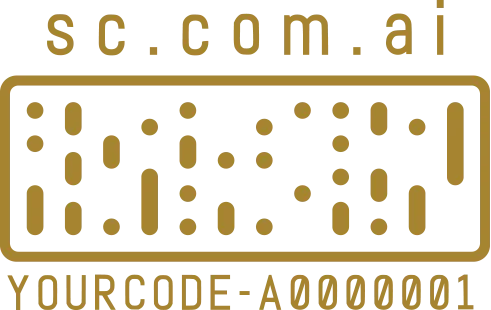
In short
Koonara Wines, the Reschke family winery in Coonawarra, South Australia, was the pilot brand where Securicode was first tested. Codes were trialed on bottles and capsules to test how they print, how they survive handling, and how real people scan them. This is a pilot story, not a results claim. It shows why the system was designed the way it was.
Why a winery?
Securicode's founder, Dru Reschke, has spent more than 30 years in wine. He founded Koonara Wines in 1992 in Coonawarra, on vineyards first planted with his father, and the winery has been certified organic for years.
Australian wine exporters know counterfeiting is real. Penfolds, for example, has fought copycat brands in Chinese courts for years, with an appeal court award of about US$10.2 million reported in February 2026 (Vino Joy, 2026). Fakes damage a winery's reputation in markets it cannot easily watch.
A family winery is also a demanding test bed. Labels are small, bottles are curved, capsules are tiny, and the people scanning are ordinary customers, not technicians. If a code works there, it can work on most packaged goods.
The pilot
What was tested
Codes were printed on Koonara bottle labels and on capsules. The capsule matters: a code that sits across the closure helps show whether a bottle has been opened and refilled, a common trick with fake wine.
The pilot tested the practical questions every brand asks: does the code print cleanly on standard label stock, does it still scan on a curved bottle in dim light, how quickly do people find and use the app, and what does the scan map show as bottles move through sales.
- Printing on standard wine labels
- Codes on capsules and closures
- Scanning on curved glass and in low light
- How customers find and use the app
Selling at the cellar door and online
Koonara sold through its Penola cellar door until mid 2026 and now sells online. Both channels matter for authentication. At a cellar door, the brand controls the sale. Online and in export markets, it does not, and that is where a scannable proof of origin helps most.
The pilot showed why the dashboard is built around a map. Seeing where each bottle is scanned tells a winery where its wine really ends up, including markets it never shipped to. That is the same view now offered to every brand on the Securicode dashboard.
What the pilot shaped
Codes sized for bottle necks
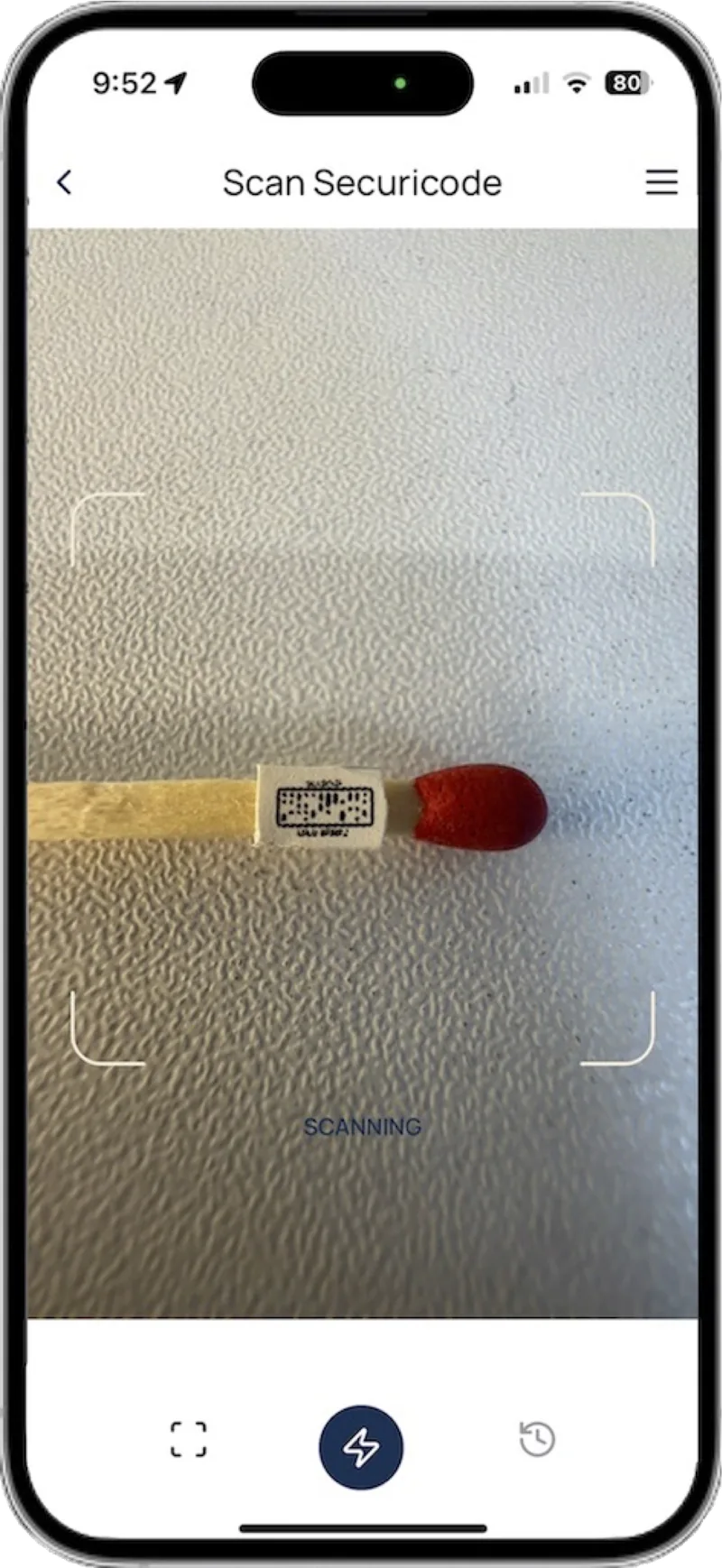
The code is phone-scannable at 1.2mm, small enough for a capsule or neck label.
Bottle, case and pallet links
Exporters need to know which case and pallet a bottle shipped in. Codes link in a parent and child hierarchy.
A map, not a spreadsheet
Scan locations on a map make gray market and diverted stock easy to spot.
A pilot, honestly described
We have not published numbers from the Koonara pilot, because a small family winery's scan counts are not a fair benchmark for a large brand. If you would like to see live scan data, book a demo and we will show you the dashboard.
What this means for other wineries
Most wineries do not need new equipment. Codes are printed with the label, using the design and print software label printers already use, and the capsule option suits wineries worried about refilling.
Exporters can link each bottle to its case and pallet, then see where those bottles are scanned. That helps answer two questions every export manager asks: is our wine being copied, and is it ending up in markets we never shipped to? See gray market and parallel imports.
Frequently asked questions
Who owns Koonara Wines?
Koonara Wines is the family winery of Securicode founder Dru Reschke, in Coonawarra, South Australia. He founded it in 1992.
Where were the codes placed on Koonara bottles?
On bottle labels and on capsules, so a code also helps show whether a bottle has been opened.
Can Securicode help with wine counterfeiting and refilling?
Yes. A code placed on the capsule or closure helps show whether a bottle has been opened, and every scan is logged with time and place. Securicode for wine and spirits.
Does Securicode replace Wine Australia label requirements?
No. Exporters still follow Wine Australia's labeling and export rules. Securicode adds a way for buyers to check a bottle is genuine.
Keep reading
Make every product provable
Apply for access to create Securicodes for your brand, or book a demo and we will show you a live scan.