


Solutions: traceability
Supply chain traceability from item to container
Know what is in every pallet, where each product went and which factory made it, with the same code that proves it is genuine.
In short
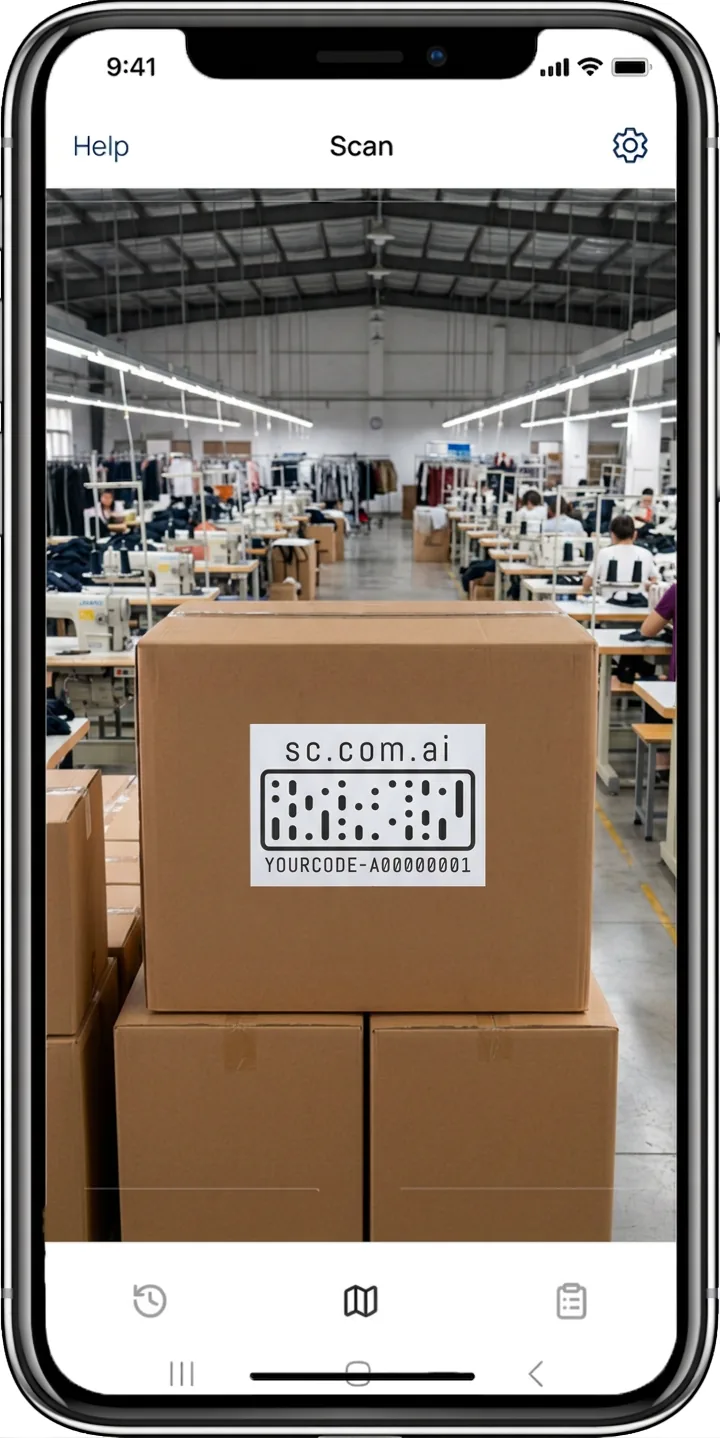
Supply chain traceability is the ability to follow a product from where it was made to where it was sold. Securicode links each item code to its case, pallet and container, and logs every scan with its time, date and location. One scan of a single product shows which shipment it left in, and the same code also proves the product is genuine.
Item to container
Every item linked to its case, pallet and container
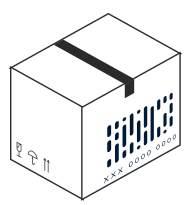
Securicodes work like nesting dolls. Item codes are linked to the case they are packed in, cases to pallets and pallets to containers. Scan a pallet or container and you know exactly what is inside it, without opening it.
In the US, this is what most people mean by track and trace: following physical goods through each handover. The difference is that every Securicode is also an anti-counterfeit code, so the scan that tells you where a product is also tells you whether it is genuine.
What does product traceability look like day to day?
At packing, your team links item codes to the case and pallet codes they go into. From then on, anyone with the app can scan along the way: a warehouse receiving a pallet, a distributor breaking it down, a store unpacking a case or a customer checking a product.
Each scan adds a point to that product's trail on your dashboard. You can change the information attached to a code at any time, such as the shipping documents on a pallet code, without reprinting anything.
- Scan a pallet or container to see its contents
- Attach shipping documents and product information to codes
- Update attached information without reprinting
- See each product's scan trail on a map
What else can traceability do for you?
See your 2nd and 3rd tier suppliers
You know your first tier supplier. Who they subcontract to is harder to see. When codes are issued to each factory in the chain, every carton scanned on the factory floor is logged with its location, so unauthorized workshops and overruns become visible.
Mark stolen stock
If a pallet goes missing, mark every item on it in your dashboard. Anyone who scans those products later sees they are flagged, which cuts their resale value, and you still see where they surface. Recovered stock can be marked genuine again.
Flag a batch for recall
Brands can flag a batch so anyone who scans it sees a recall notice. It does not replace your formal recall process, but it puts the message where the product is.
Learn where products really sell
Scans show which products are moving in which regions, so you can spot growing markets, slow stock and channels you did not know about.
Who scans, and what do you learn?
| Who scans | When | What you learn |
|---|---|---|
| Factory or co-packer | At packing | Which items went into which case and pallet, and where they were packed |
| Warehouse or logistics provider | On receipt and dispatch | That the right pallet arrived, and when it left |
| Distributor | On delivery and breakdown | That stock reached the intended market |
| Your field team or auditors | On store visits | Spot checks for diverted or copied products |
| Customers | Before or after purchase | Where products are sold and used, and whether codes look copied |
Do not rely on consumer scans alone
Many shoppers say they would scan a code for product information (64% of UK consumers in a Digimarc and Censuswide survey, 2022), but actual scan rates are usually far lower. Build scans into handovers your team and partners already make, and treat every consumer scan as extra information.
How do you set up traceability?
- 1
Map your flow
List where products are packed, stored and handed over, and who could scan at each point.
- 2
Order item, case and pallet codes
We issue codes for each level. Your printer applies them as part of your normal labeling.
- 3
Link codes at packing
Your team scans items into cases and cases onto pallets, so the hierarchy is recorded once.
- 4
Scan at handovers
Warehouses, distributors and field staff scan with the free app, and every scan appears on your dashboard.
Frequently asked questions
What is supply chain traceability?
The ability to show where a product was made, how it moved and where it ended up. With Securicode, that record is built from scans of linked item, case, pallet and container codes, each logged with its time, date and location.
What is the difference between product traceability and track and trace?
Product traceability is the ability to show where a product came from and where it went. Track and trace is the scanning that creates that record as goods move. In the UK and Australia, track and trace usually means parcel tracking, which is a different thing.
Does Securicode replace GS1 barcodes or my ERP?
No. Keep your GS1 barcodes for retail and logistics systems. Securicode adds a layer that proves each item is genuine and logs where it is scanned. We can talk through how it fits your current setup.
Can I see what is inside a pallet without opening it?
Yes. Because item codes are linked to case and pallet codes at packing, one scan of the pallet code shows everything recorded inside it.
What happens if stock is stolen?
Mark the affected items as stolen or counterfeit in your dashboard. Anyone who scans them sees the warning, which makes them harder to resell, and you can see where they surface. If the stock is recovered, mark it genuine again.
Keep reading
Make every product provable
Apply for access to create Securicodes for your brand, or book a demo and we will show you a live scan.