


Compare
Securicode vs NFC and RFID tags
NFC and RFID chips are strong tools for the right job. Here is how they compare with a printed closed-loop code on cost, size, security and readers.
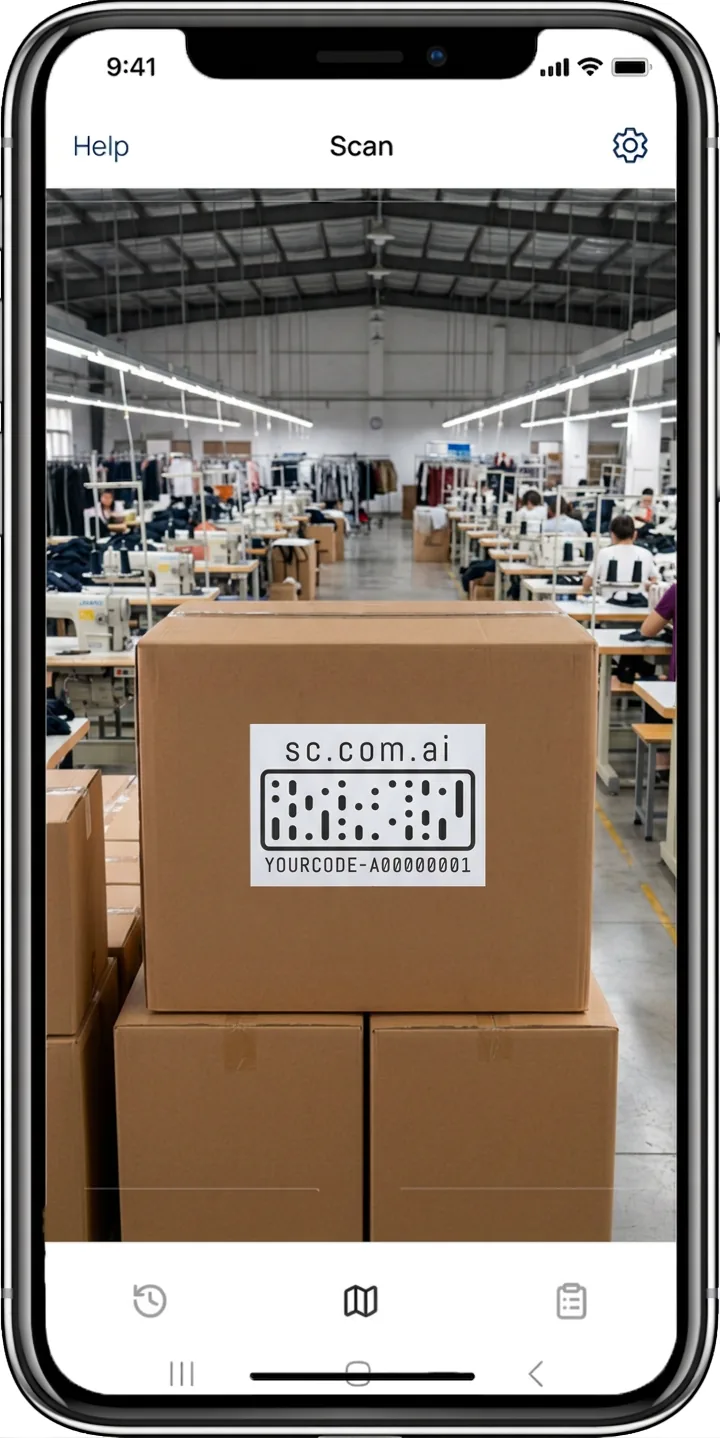
In short
NFC and RFID tags use a chip and antenna, so each tag costs more than a printed code and must be embedded in a label, cap or inlay. NFC chips with cryptographic signatures are hard to clone and phones can read them, while UHF RFID is best for stocktakes and needs dedicated readers. Securicode is a printed closed-loop code that costs cents, fits on the product from 1.2mm and is checked with a free app.
RFID vs NFC tags: what is the difference?
RFID (radio frequency identification) is the broad family. Tags carry a chip and an antenna and respond to a reader by radio. UHF RFID, the type used in retail and logistics, can read many tags at once from several meters away, without line of sight. Phones cannot read it, so it needs dedicated readers.
NFC (near field communication) is a short-range type of high frequency RFID that works over a few centimeters. Most modern smartphones can read NFC tags with a tap, which is why NFC is the chip of choice when consumers need to check a product.
A Securicode has no chip at all. It is a patented printed code, issued in a closed loop, that a phone camera reads through the free Securicode app. That changes the cost, the size and where it can go.
NFC, RFID and Securicode compared
General characteristics. Chip specifications and prices vary widely by type, supplier and volume.
| Securicode | Basic NFC tag | Cryptographic NFC tag | UHF RFID tag | |
|---|---|---|---|---|
| Cost per unit | Cents on the dollar, no minimum order | Higher than a printed code | Higher again, for the secure chip | Low at retail volume, plus readers |
| Size and placement | Printed, etched or woven from 1.2mm | Needs room for chip and antenna | Needs room for chip and antenna | Inlay, label or hang tag |
| Cloning risk | Copies possible; flagged by scan history | Can be cloned | Very hard to clone | Basic tags can be cloned |
| Who can create one | Only vetted brands | Anyone can buy tags | Anyone can buy chips; keys stay with the issuer | Anyone can buy tags |
| Consumer check | Free app, phone camera | Tap with most phones | Tap with most phones | No, needs a reader |
| Reader needed | Phone with the app | Phone | Phone | Dedicated reader |
| Durability | As durable as the surface it is printed or etched on | Chip and antenna can be damaged by bending, heat or metal | As for basic NFC | As for NFC; metal and liquid affect reads |
| Best for | Item-level authentication on small or curved items, gray market tracing | Consumer engagement | High value consumer authentication | Stocktakes, logistics, retail inventory |
We do not publish chip prices because they change with volume and specification. Ask your tag supplier for a quote at your volume.
Basic vs cryptographic
Can NFC tags be cloned?
It depends on the tag. A basic NFC tag stores a fixed ID or web link. Anyone with an NFC writer can read it and copy it onto a new tag, and the copy works the same way.
Cryptographic NFC chips are a different class. They hold a secret key and produce a fresh, signed response every time they are tapped. A clone cannot produce valid signatures without the key, so these chips are very hard to copy. If your products are high value and you can fit a chip, they are a strong option.
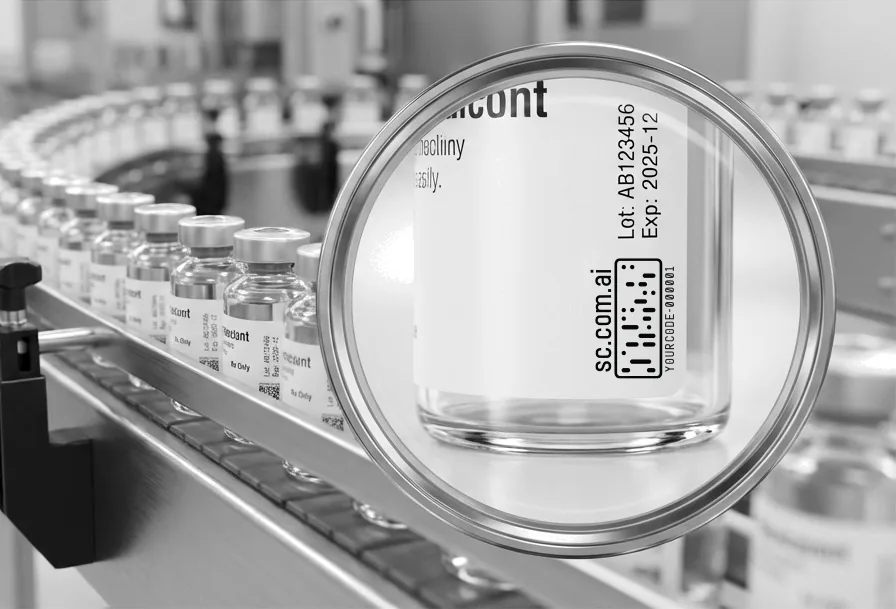
The trade-off is cost and fit. Every tag carries a chip and antenna, and the price per unit is higher than a printed code. Securicode takes a different route: codes are cheap enough to put on every item, small enough at 1.2mm for a bottle neck or a vial, and copies expose themselves through their scan history. See printing and application.
Where NFC and RFID are the better choice
We would rather you choose the right tool. Chips win in these cases.
Inventory and stocktakes
UHF RFID reads a whole shelf or carton in seconds without line of sight. A printed code has to be scanned one at a time.
Retail operations
RFID supports loss prevention gates, fitting rooms and stock accuracy in large retail chains.
Tap experiences
NFC lets shoppers tap a phone with no app, which suits engagement campaigns and some authentication programs.
Opening detection
Some NFC seals detect when a bottle or pack has been opened, using a loop that breaks.
Highest single-item value
For very high value items with room for a chip, cryptographic NFC gives strong first-tap protection.
Automated logistics
Readers at dock doors and conveyors log movement without anyone scanning.
Cost: cents per code vs cost per tag
A Securicode is printed with the label, etched or woven, using software most printers already use. Codes cost cents on the dollar, with no minimum order, no management fees and no ongoing costs. That makes it practical to protect every item, not only the most expensive ones. See how pricing works.
An NFC or RFID tag adds a physical component to every unit. Tag prices fall with volume and vary by chip, antenna and format, so get quotes for your own volumes. Remember to include encoding, application, readers for RFID, and any platform fees when you compare.
Combining NFC, RFID and Securicode
Chips and codes do different jobs. Many supply chains use both.
- 1
RFID for stock
UHF RFID tags handle stocktakes, dock reads and retail inventory.
- 2
Securicode for proof
A Securicode on the product lets anyone check it is genuine with a phone, and logs every scan.
- 3
Linked hierarchy
Securicodes link each item to its case, pallet and container, so a scan shows where stock surfaced. Item to container tracking.
Frequently asked questions
What is the difference between NFC and RFID?
NFC is a short-range type of RFID that works over a few centimeters and can be read by most smartphones. UHF RFID reads from several meters away, reads many tags at once and needs a dedicated reader.
Is NFC authentication secure?
It depends on the chip. Basic NFC tags can be cloned. NFC chips that create a cryptographic signature on every tap are very hard to clone and are one of the stronger consumer authentication options, at a higher cost per tag.
Is Securicode cheaper than NFC?
Generally, yes per unit, because a Securicode is printed rather than embedded as a chip. Codes cost cents on the dollar, with no minimum order and no ongoing costs. Chip prices vary by type and volume, so compare quotes at your volume.
Can a phone read RFID tags?
Phones can read NFC tags, which are a type of RFID. They cannot read UHF RFID tags, which are the type used in retail and logistics. Those need a dedicated reader.
Can I use RFID and Securicode together?
Yes. RFID is excellent for stocktakes and logistics, and Securicode adds item-level authentication that shoppers can check with a phone. They do different jobs.
Keep reading
Make every product provable
Apply for access to create Securicodes for your brand, or book a demo and we will show you a live scan.